
Surgically Facilitated Orthodontic Therapy (SFOT) in Beverly Hills
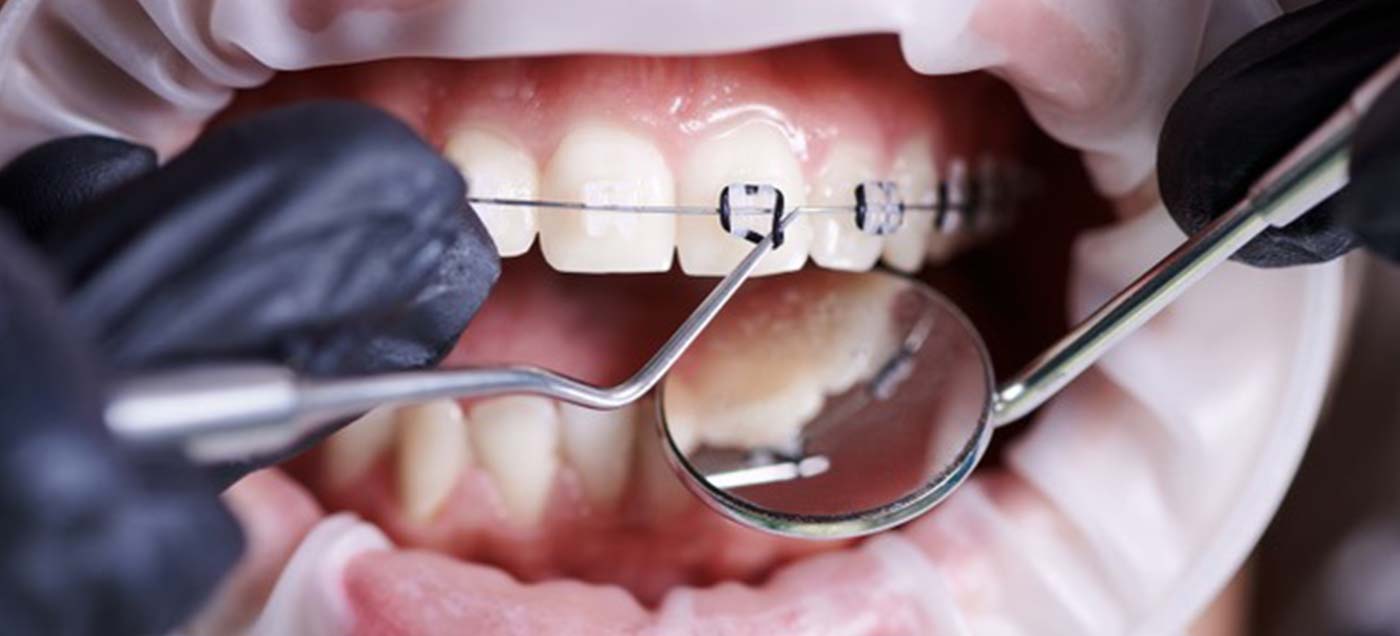
Strengthening Bone Support for Healthier, More Stable Orthodontic Treatment
Surgically Facilitated Orthodontic Therapy (SFOT) is an advanced periodontal procedure designed to strengthen and protect the bone that supports your teeth during orthodontic treatment.
Orthodontic movement occurs within surrounding bone. When that bone is thin or fragile, movement can increase the risk of gum recession, bone loss, or long term instability.
SFOT reinforces the structural foundation by increasing bone thickness and strength, creating a more stable biological environment for safe and predictable tooth movement.
As a Diplomate of the American Board of Periodontology, Dr. Bradley Lander performs SFOT in Beverly Hills using precise, minimally invasive regenerative techniques designed to support long term periodontal health.
SFOT is not simply about efficiency. It is about protecting the tissues that support lifelong dental stability.
When SFOT May Be Recommended
SFOT may be recommended when orthodontic treatment would benefit from additional structural support.
Common situations include:
- Thin supporting bone
- Existing or high risk of gum recession
- Movement beyond natural bone boundaries
- Adult orthodontic treatment
- Previous orthodontic relapse
- Crowding or complex positioning
- Preparation for comprehensive restorative care
Reinforcing the biological foundation improves both orthodontic safety and long term stability.
The Philosophy: Protect the Foundation That Supports Tooth Movement
Healthy orthodontic movement depends on:
- Adequate bone thickness
- Stable gum tissue
- Balanced structural support
- Controlled biological remodeling
- Long term tissue stability
SFOT strengthens the bone envelope surrounding the teeth so movement occurs within a protective and supportive environment.
Alignment should always be supported by lasting structural health.
Advanced Diagnostic Planning
Careful evaluation includes:
- High resolution digital imaging
- Three dimensional CBCT scanning
- Bone thickness measurement
- Soft tissue evaluation
- Orthodontic movement analysis
- Collaborative planning with your orthodontist
Every step is guided by long term biological stability.
How SFOT Strengthens Bone Support
During the procedure:
- Supporting bone is gently activated
- Regenerative materials may enhance thickness
- Healing responses are stimulated
This creates a thicker, more resilient bone envelope.
Structural protection always takes priority over speed of movement.
Minimally Invasive Surgical Technique
Techniques are designed to:
- Minimize surgical trauma
- Preserve healthy tissues
- Enhance regenerative response
- Reduce postoperative discomfort
- Support predictable healing
Recovery is typically manageable and well tolerated.
Healing and Biological Integration
Following SFOT:
- Bone gradually remodels and strengthens
- Tissue stability improves
- Orthodontic movement progresses safely
- Long term support is reinforced
Treatment timing is guided by stability and health, not urgency.
Why Specialist Periodontal Care Matters
SFOT requires advanced understanding of:
- Bone biology
- Orthodontic biomechanics
- Tissue healing
- Regenerative surgery
- Long term periodontal stability
Specialist care ensures structural reinforcement while preserving natural tissues.
Why Patients Choose Dr. Bradley Lander
Dr. Lander provides:
- Board certified periodontal surgical expertise
- Minimally invasive regenerative techniques
- Coordinated care with orthodontists
- Individualized treatment planning
- Focus on long term periodontal protection
Every procedure is performed with precision and attention to lifelong tissue health.
Our Locations
Beverly Hills Location
414 N Camden Dr # 1260,
Beverly Hills, CA 90210
P: (310) 859-8123
Santa Barbara Location
2173 Ortega Hill Rd,
Summerland, CA 93067
P: (805) 969-1736
Frequently Asked Questions
Is SFOT only done to make orthodontic treatment faster?
No. Its primary purpose is strengthening bone support and protecting periodontal health.
Is SFOT necessary for everyone?
Not always. It is recommended when additional structural support would improve safety or stability.
Is the procedure uncomfortable?
Treatment is performed under local anesthesia with sedation available. Most patients report manageable discomfort.
Will SFOT improve long term stability?
Yes. Strengthening supporting bone helps maintain tooth position and reduce relapse risk.
Consultation
If you are planning orthodontic treatment and want to protect the long term health of your supporting tissues, schedule a consultation with Dr. Bradley Lander in Beverly Hills or Santa Barbara to determine whether Surgically Facilitated Orthodontic Therapy is appropriate for your care.