Hard and Soft Tissue Reconstruction
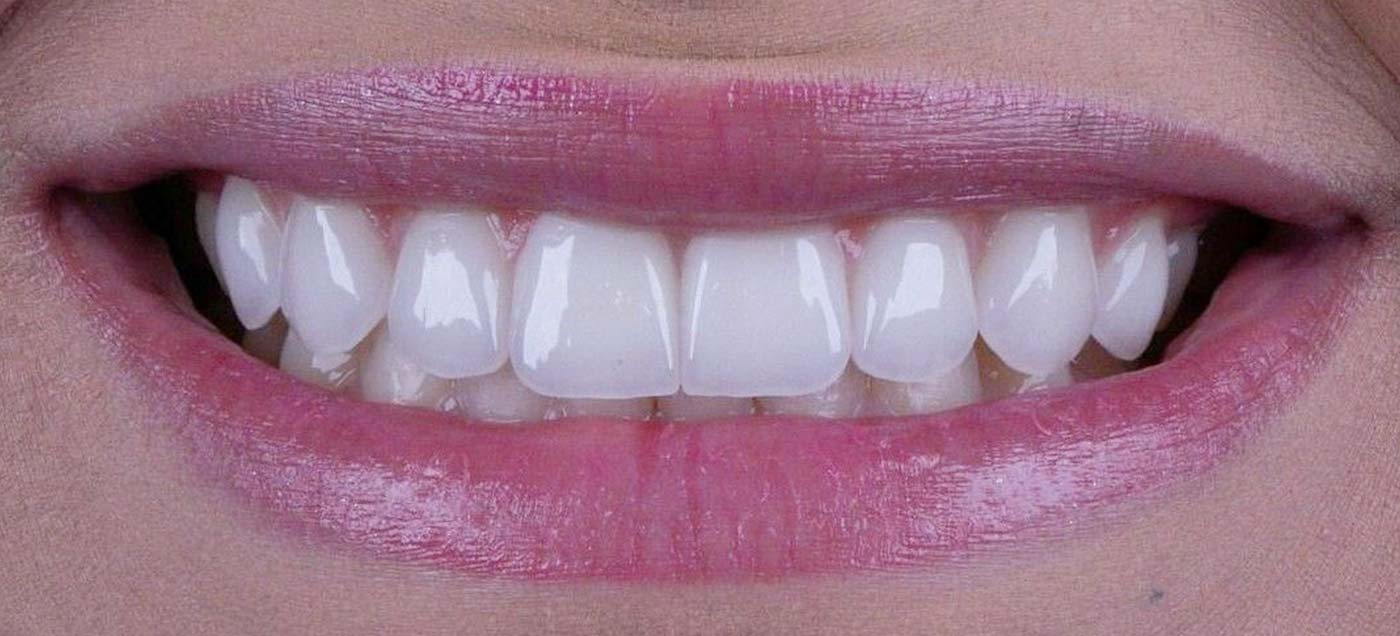
Rebuilding Structural Support and Restoring Biological Stability
Hard and soft tissue reconstruction is an advanced form of regenerative periodontal therapy designed to rebuild the bone and gum structures that support teeth and dental implants.
When these supporting tissues are reduced or damaged, stability, function, comfort, and appearance can all be affected. Reconstruction restores the biological foundation that teeth and implants depend on, allowing treatment to function more predictably and feel more natural over time.
Rather than simply correcting what is visible, reconstructive therapy restores the underlying architecture of the jaw and surrounding tissues. When structural support is rebuilt, treatment becomes more stable, more comfortable, and more reliable in both function and appearance.
As a periodontist and specialist in periodontal and implant surgery, Dr. Bradley Lander provides advanced hard and soft tissue reconstruction for patients in Beverly Hills, Santa Monica, and throughout Los Angeles using modern regenerative techniques and minimally invasive surgical approaches. He is a Diplomate of the American Board of Periodontology, reflecting advanced training and demonstrated expertise in surgical regeneration and implant biology.
Reconstruction is not cosmetic enhancement alone. It is biologic restoration designed to rebuild what supports comfort, function, and lasting stability.
Every procedure is carefully planned with the final structural outcome already in mind.
When Hard and Soft Tissue Reconstruction May Be Recommended
Reconstructive therapy may be recommended when the natural supporting structures of the teeth or implants have been compromised or reduced over time.
Common situations include:
- Bone loss following tooth extraction
- Insufficient bone for dental implant placement
- Gum recession or thinning of soft tissue
- Structural defects from periodontal disease
- Collapse of the jaw ridge over time
- Loss of tissue around existing implants
- Previous trauma or surgical changes
- Aesthetic concerns related to tissue loss
- Preparation for implant placement or restorative treatment
Many patients seek reconstruction not only to allow implant placement, but also to preserve jaw structure and improve long term stability around existing teeth or implants.
The Philosophy: Restore the Biological Foundation
Healthy teeth and implants depend on a stable and balanced supporting environment.
Treatment focuses on restoring:
- Adequate bone volume and density
- Healthy protective gum tissue
- Stable soft tissue contours
- Proper structural architecture of the jaw
- Balanced functional support
When these elements are compromised, long term predictability may be affected.
Reconstructive therapy is centered on rebuilding the biological foundation so future treatment can function reliably, comfortably, and naturally.
Dr. Lander’s approach prioritizes long term structural health and biological stability at every stage of care.
Advanced Diagnostic Planning
Successful reconstruction begins long before surgery.
Detailed evaluation may include:
- High resolution digital imaging
- Three dimensional cone beam CT scanning
- Bone volume and density analysis
- Soft tissue thickness and architecture assessment
- Digital surgical planning and simulation
- Functional and restorative evaluation
This precise planning allows reconstruction to be performed with clarity and intention. Treatment is guided by accuracy rather than approximation.
Hard Tissue Reconstruction: Rebuilding Bone Structure
Bone forms the structural framework that supports teeth, implants, and facial contours. When bone volume is reduced, reconstruction may be necessary to restore strength and stability.
Advanced regenerative techniques may include:
- Guided bone regeneration
- Ridge augmentation
- Bone grafting using advanced biomaterials
- Structural defect repair
- Implant site development
The goal is to recreate a stable and well supported foundation capable of sustaining functional loading and long term health.
Soft Tissue Reconstruction: Restoring Gum Health and Protective Support
Healthy gum tissue protects underlying bone, stabilizes teeth and implants, and contributes to natural aesthetics.
When soft tissue is thin, recessed, or unstable, reconstructive procedures restore protective coverage and improve tissue quality.
Treatment may include:
- Soft tissue grafting
- Gum recession correction
- Tissue thickening procedures
- Contour refinement
- Implant soft tissue stabilization
Rebuilding soft tissue improves both protection and appearance while supporting long term structural health.
Regenerative Therapy and Biological Healing
Modern reconstructive procedures are designed to stimulate the body’s natural healing processes.
Regenerative techniques use advanced materials and biologically guided methods to encourage new tissue formation. This allows the body to rebuild its own structural support rather than relying on artificial substitutes alone.
These procedures are often performed using minimally invasive approaches that preserve healthy structures and support smoother recovery.
Reconstruction restores biology rather than simply filling space.
Healing and Structural Integration
Following reconstruction, the treated area gradually integrates and stabilizes as new tissue develops and matures.
Most patients experience:
- Controlled and predictable healing
- Progressive tissue regeneration
- Improved structural stability
- Gradual restoration of support
Healing timelines vary depending on the type and extent of reconstruction. Treatment timing is always guided by what will produce the most reliable long term outcome.
Planning the Full Treatment Pathway
Reconstruction is often part of a broader restorative or implant treatment plan.
Care is approached as a coordinated process from the beginning. Planning considers:
- Structural requirements
- Functional demands
- Aesthetic goals
- Long term stability
- Patient preferences
- Restorative coordination
When appropriate, care is coordinated closely with your restorative dentist to ensure alignment at every stage.
Each step is designed with the final outcome already in mind so you can move forward with clarity and confidence.
Why Specialist Reconstructive Care Matters
Hard and soft tissue reconstruction requires advanced understanding of bone biology, tissue healing, implant biomechanics, and surgical regeneration.
When reconstruction is performed without comprehensive planning, complications may include:
- Inadequate bone support
- Soft tissue instability
- Compromised implant outcomes
- Aesthetic imbalance
- Need for revision procedures
Specialist care focuses on preventing these challenges by rebuilding structural support in a biologically guided and predictable manner.
Reconstruction is not simply a procedure. It is a long term structural investment.
Why Patients Choose Dr. Bradley Lander
Patients seeking advanced reconstructive care often want precision, clarity, and long term confidence.
Dr. Lander provides:
- Specialist periodontal and implant surgical expertise
- Advanced three dimensional diagnostic planning
- Cutting edge regenerative and bone grafting techniques
- Minimally invasive tissue preserving surgery
- Integrated coordination with restorative care
- Individualized treatment planning
Every procedure is performed with careful attention to biological health, functional support, and lasting outcomes.
Our Locations
Beverly Hills Location
414 N Camden Dr # 1260,
Beverly Hills, CA 90210
P: (310) 859-8123
Santa Barbara Location
2173 Ortega Hill Rd,
Summerland, CA 93067
P: (805) 969-1736
Frequently Asked Questions
Is reconstruction always necessary before dental implants?
Not always. Some patients already have sufficient bone and tissue support. When structural support is limited, reconstruction helps create a healthier and more stable foundation for long term implant success.
Are regenerative procedures predictable?
Modern regenerative techniques are highly advanced and can be very predictable when carefully planned and performed in a healthy biological environment.
Will reconstruction change my appearance?
Rebuilding lost tissue often improves natural contours and structural support. Many patients notice improved gum shape and facial balance.
How long does healing take?
Initial healing occurs over several weeks, while full tissue maturation develops gradually over several months. Healing timelines vary depending on the type and extent of reconstruction.
Is treatment uncomfortable?
Procedures are performed under local anesthesia with sedation available if desired. Most patients report manageable discomfort and smooth recovery.
Consultation
If you have been told that bone or gum support is limited, or if you are considering implant treatment and want to understand your structural options, a specialist evaluation can help clarify what is possible and what will provide the most stable long term result.
Schedule a consultation with Dr. Bradley Lander in Beverly Hills or Santa Barbara to evaluate structural support and discuss personalized reconstructive treatment options.