
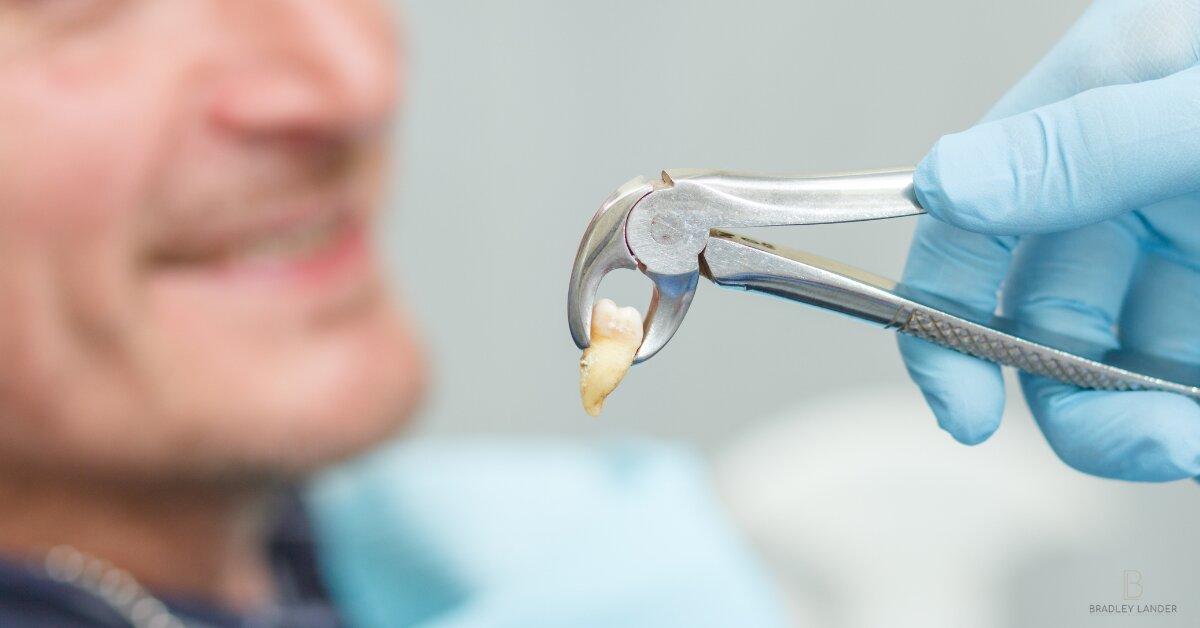
The period following a tooth extraction plays an important role in how smoothly healing progresses. While the procedure itself is carefully controlled, what happens afterwards has a direct impact on comfort, recovery time, and overall outcome.
For patients undergoing tooth extraction, including those receiving specialist care in Beverly Hills, following the correct aftercare steps can make a noticeable difference in both the healing experience and the long-term stability of the area.
Why Aftercare Matters
After a tooth is removed, the site is temporarily vulnerable while the body begins repairing the area. A blood clot forms within the socket, acting as a protective layer and the foundation for new tissue.
Protecting this clot is essential. If it becomes dislodged too early, healing can be delayed and discomfort may increase. Proper aftercare helps maintain this protective environment, allowing the body to heal efficiently and without unnecessary interruption.
The First 24 Hours
The initial period following an extraction is particularly important. During this time, the focus should be on allowing the body to settle and begin healing naturally.
Patients are generally advised to:
- Rest and avoid strenuous activity
- Keep the head slightly elevated when lying down
- Avoid touching or disturbing the extraction site
- Follow any specific instructions provided after treatment
Taking things slowly during this phase helps establish a stable foundation for healing.
Helpful Guidelines for the First Few Days
As healing continues, a few simple measures can significantly improve comfort and recovery:
- Use cold compresses to help manage swelling
- Choose soft foods that do not require excessive chewing
- Stay hydrated while avoiding very hot drinks
- Maintain gentle oral hygiene without directly brushing the area
These steps support the body’s natural healing response while reducing irritation.
What to Avoid During Healing
Certain habits can interfere with recovery and should be avoided in the early stages:
- Smoking or vaping
- Using straws
- Rinsing too forcefully
- Eating hard, crunchy, or sticky foods
These actions can create pressure within the mouth or disturb the blood clot, which may slow healing.
Managing Discomfort and Swelling
Mild discomfort is a normal part of the healing process and is usually short-lived. Swelling typically peaks within the first 48 hours and then begins to settle.
Following guidance provided after treatment — including any recommended pain relief — helps ensure that discomfort remains manageable.
For most patients, symptoms improve steadily within a few days.
Keeping the Area Clean
Maintaining a clean environment is important, but it should be done gently and with care.
After the first 24 hours, light rinsing may be recommended, along with continued oral hygiene in the surrounding areas. The goal is to reduce bacteria without interfering with the healing process.
Overly aggressive cleaning should be avoided until the site has stabilised.
Supporting Long-Term Healing
Healing does not stop once the initial discomfort has passed. Beneath the surface, the body continues to remodel bone and strengthen the area over time.
A calm and consistent approach to aftercare supports not only short-term comfort but also long-term outcomes, particularly if future treatment is planned.
When to Seek Advice
If recovery does not feel as expected, it is always best to have the area assessed.
Signs that may require attention include:
- Increasing discomfort rather than gradual improvement
- Persistent swelling
- Bleeding that does not settle
- Any unusual sensation in the area
Addressing concerns early helps ensure a smooth and uncomplicated recovery.
A Thoughtful Approach to Recovery
Aftercare is not complicated, but it is important. Small, careful decisions in the days following treatment can have a meaningful impact on healing.
With the right guidance and a steady approach, most patients experience a comfortable recovery and a predictable return to normal function.
Follow the right aftercare steps for a smooth healing experience—choose Tooth Extraction in Beverly Hills and book your consultation today.